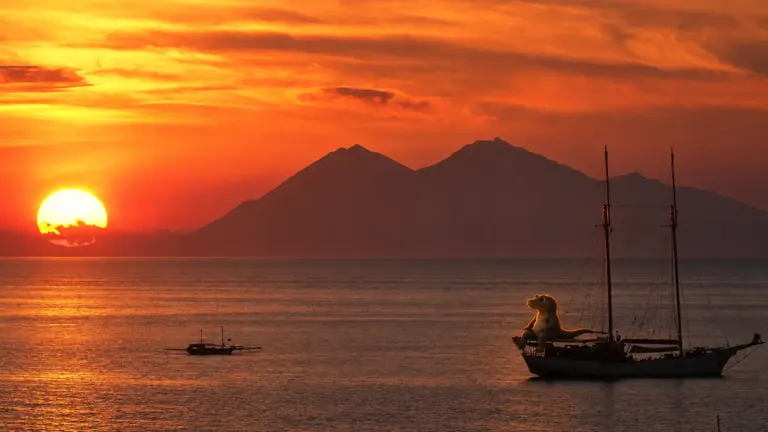

Seasickness in Komodo National Park hits most often on the long crossings between areas and when the boat repositions at night. Once the boat is anchored, or moving between spots that sit close together, the motion feels far gentler.
A 3-day 2-night open trip usually splits into two very different kinds of water, and knowing the pattern helps you prepare.
Mapping the Route: Rough vs Calm
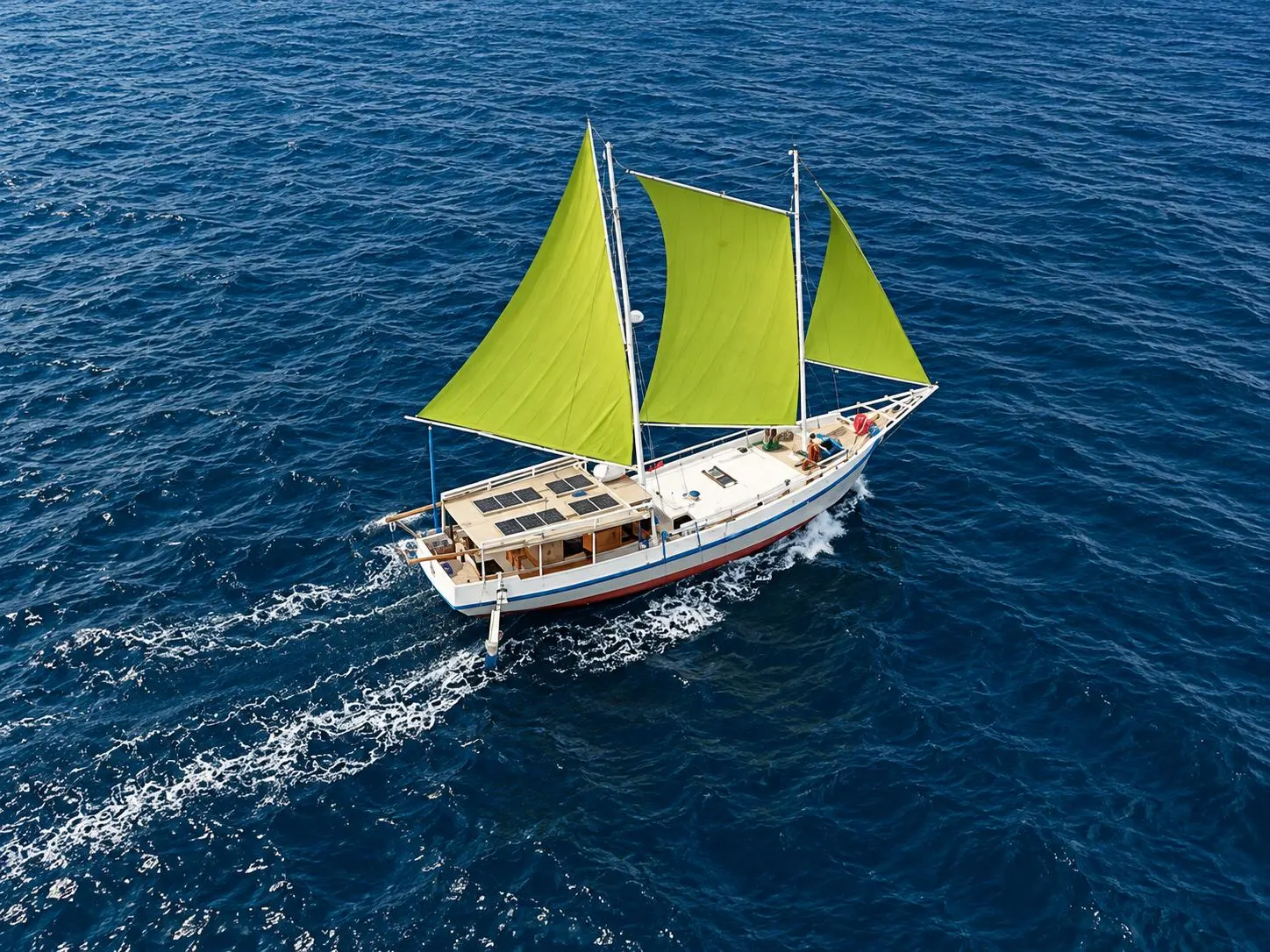
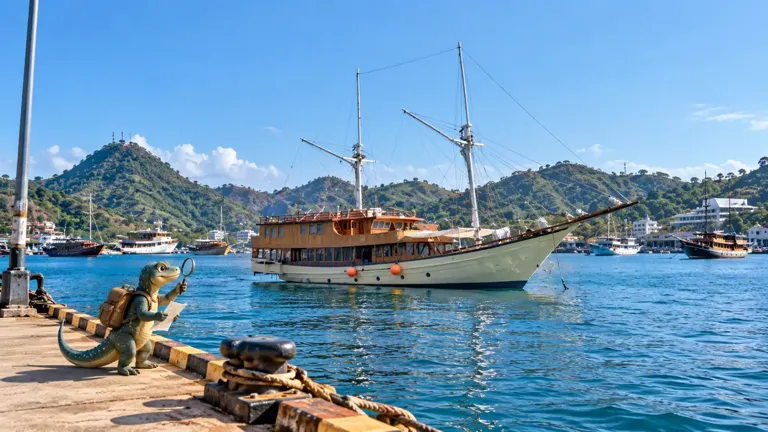
The roughest motion usually comes on day one, when the boat leaves KP3 Port in Labuan Bajo and heads for the central part of Komodo National Park. On this long leg the boat crosses open sea with no islands to act as a natural breakwater. The same happens at night, when the boat moves to its next anchorage while you sleep.
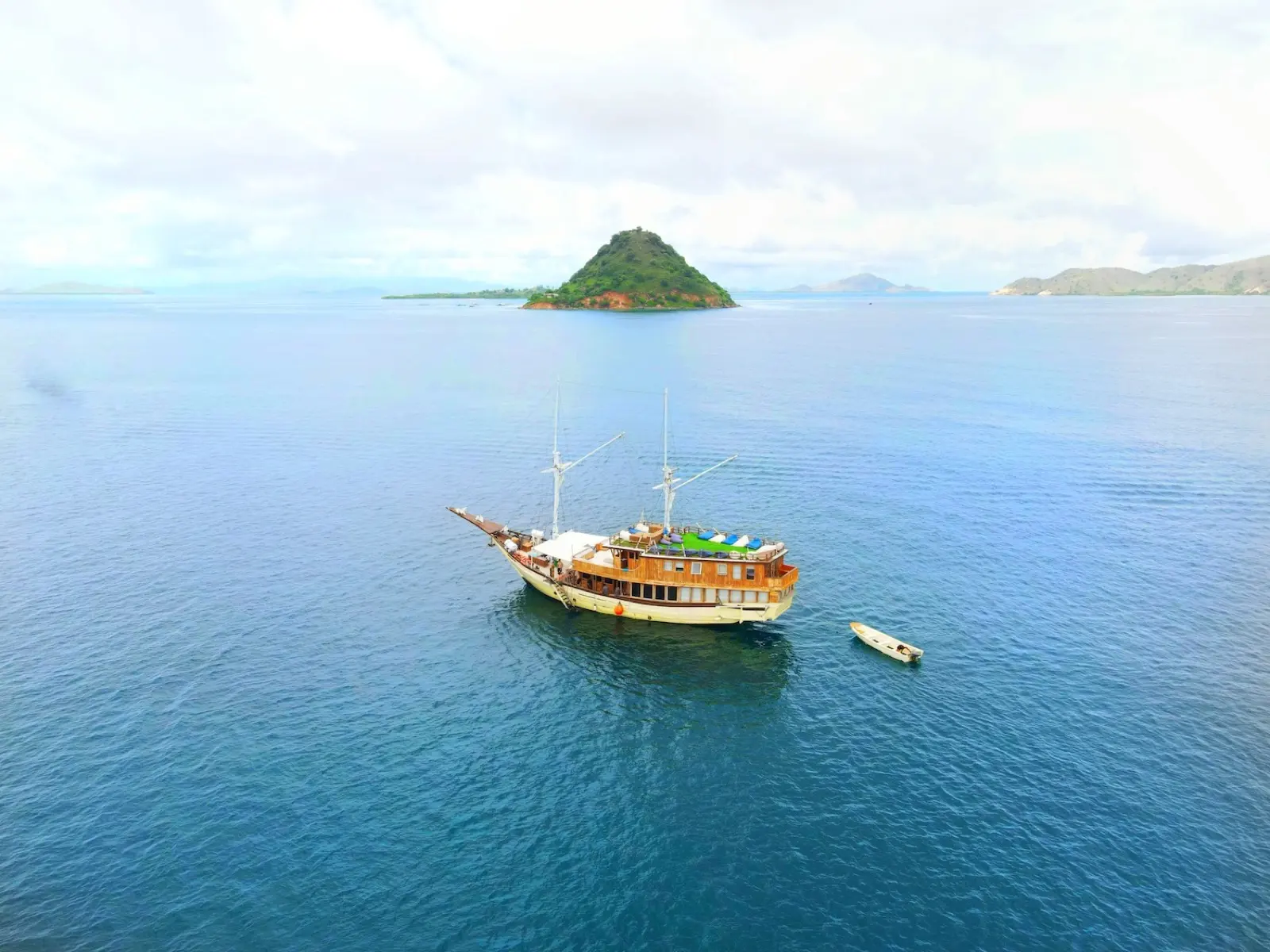
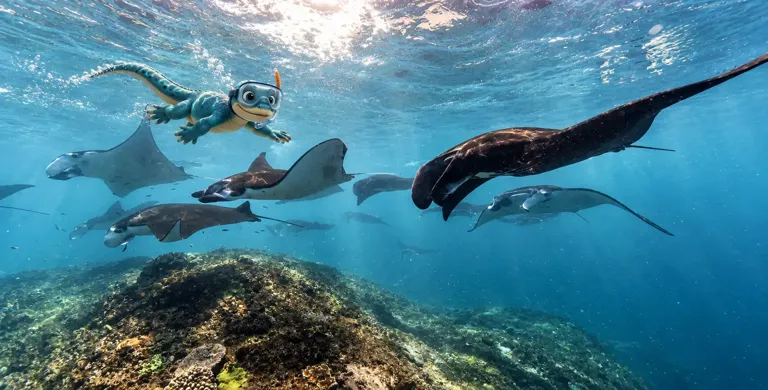
Once the boat enters water ringed by islands, it steadies a lot. When you get ready to snorkel at Manta Point, trek to see Komodo dragons at Loh Liang, or take photos at Padar and Pink Beach, the boat sits in shallow, sheltered water.
How the Season Changes the Waves
How rough it gets in Komodo depends heavily on when you travel. If you get seasick easily, picking the right month is your best strategy.
- Southeast season (May to October): Wind and waves are generally much kinder, making this the safest window for a sensitive stomach.
- Northwest season (November to April): Brings strong winds and bigger swells.
Some boats do run all year. Even so, the captain has full authority over the safety of the voyage. If conditions at one spot look too risky, the captain can change the route or skip that stop on the day, for the safety of everyone on board.
How to Prevent Seasickness Before You Board
What matters most is what you prepare before you step on deck, not what you do once you already feel sick. Follow these five steps:
- Take a motion sickness tablet: Take it about 30 minutes before the boat sets off. These tablets usually make you drowsy, which helps you rest through the first stretch of the crossing.
- Sleep well the night before: A tired body is more sensitive to changes in balance and gets dizzy faster.
- Watch how much you eat: An empty stomach and a full one both bring on nausea. Have a light meal shortly before boarding.
- Pick the right spot to sit: The steadiest part of a hull is the middle, as close to the waterline as possible, not the stern or the bow.
- Keep your eyes on the horizon: Don't keep looking down at your phone. Staring at a still screen while your body feels the swell confuses your brain and brings on nausea faster.
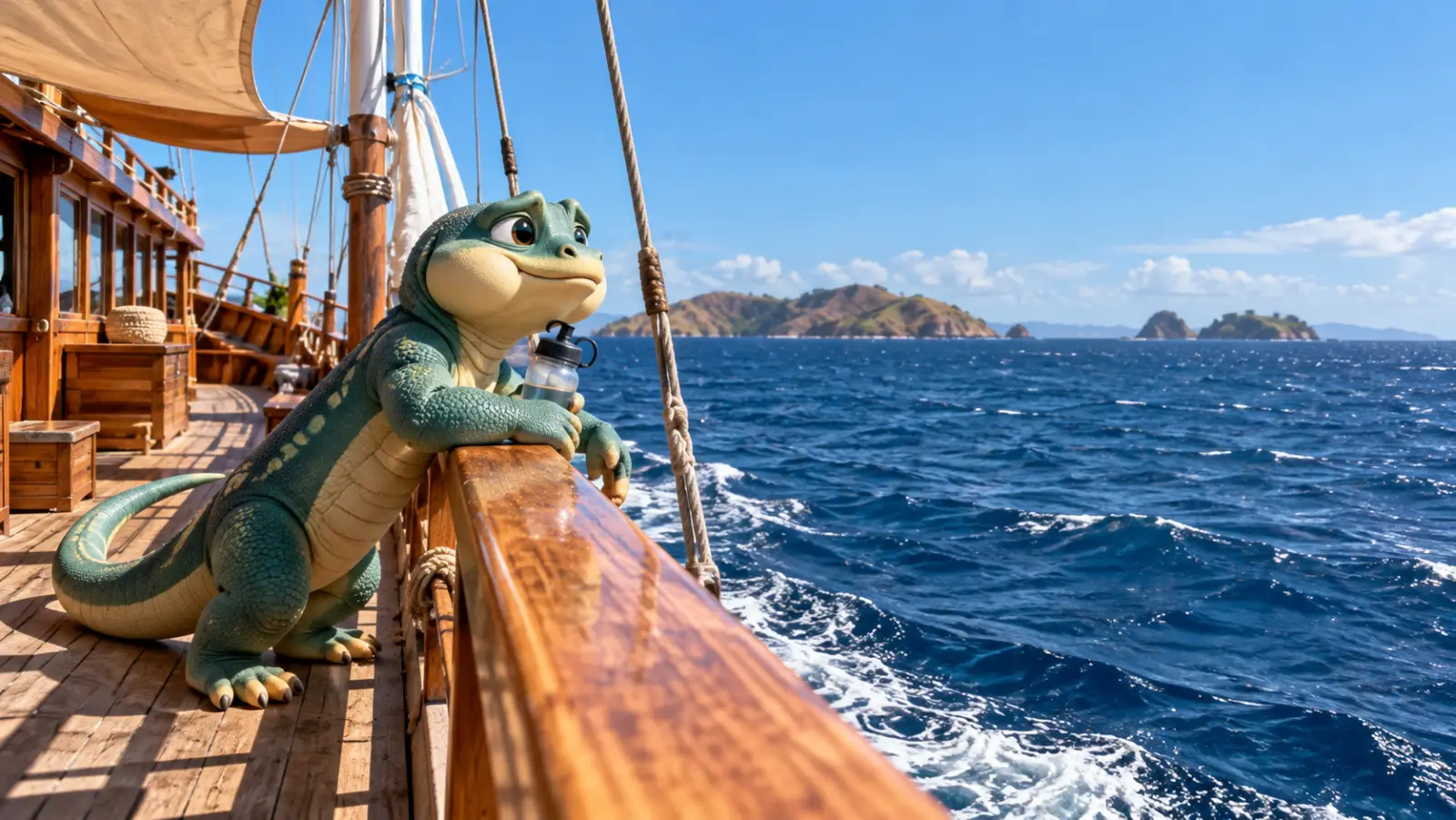
If you still feel sick, move to the open deck where the breeze reaches you, breathe deeply, and fix your eyes on one distant point on land. Retreating into a closed cabin only makes it worse.
What If the Waves Get Too Extreme?
If the weather turns truly bad and the port authority bans sailing, your cancelled trip counts as circumstances beyond our control. Under our cancellation policy, you are entitled to a full refund or can choose to move to another date.
Each boat has its own minimum number of guests to sail, mostly in low season; if a departure does not reach it, we move you to an equivalent boat on the same dates.
Still worried about seasickness, or unsure which month suits your stomach best? Our team, based in Labuan Bajo, will help you pick the kindest schedule. Chat with us on WhatsApp and we will help you choose a wide-hulled boat that rides the swell best.
See dates and boats: 3-day 2-night open trip or all trips and phinisi boats.
FAQ
Which part of the Komodo route causes the most seasickness?
The motion is strongest on the long open-sea crossings, mainly from KP3 Port in Labuan Bajo to the central part of the national park, and when the boat repositions at night.
Does everyone get seasick in Komodo?
No. Most of the water on the tourist route is surrounded by islands that soften the waves. Guests who get sick are usually those who are sensitive to motion or did not rest enough before boarding.
When is the calmest season to sail in Komodo?
The southeast season, from May to October. Wind and waves in these months are calmer than in the northwest season.
Can I ask to leave the boat if my seasickness is severe?
The boat follows its itinerary and cannot turn back to port just to drop off one passenger. The best thing to do is tell the crew, get fresh air on the open deck, and rest.
Which is steadier, an open trip or a private charter?
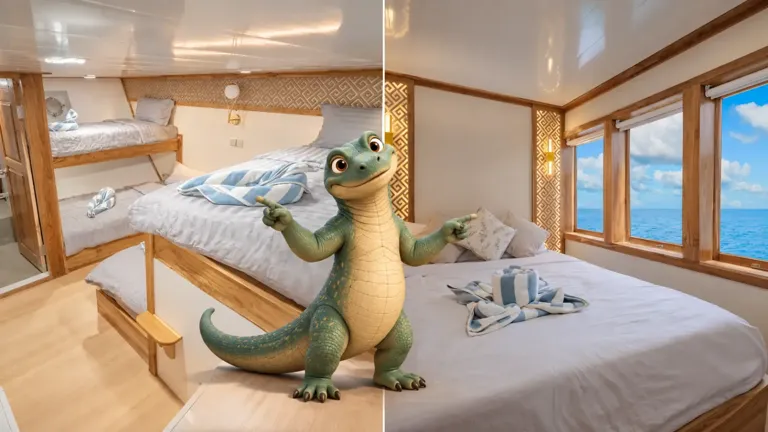
The route and the waves are the same. That said, larger boats with a wide hull generally roll more slowly and absorb the swell better than narrow ones.