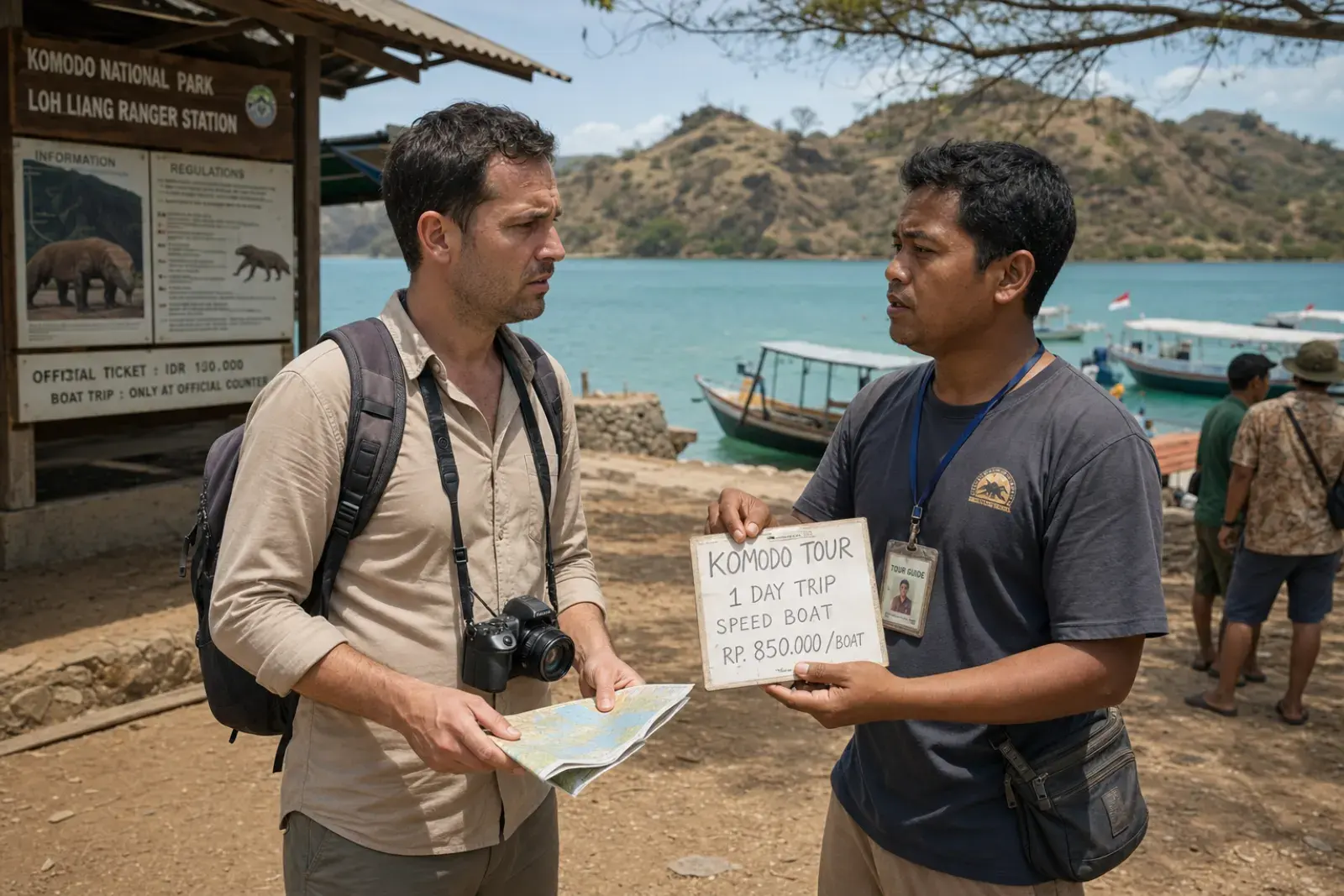

You have set your heart on Komodo, the photos look incredible, and then a quieter thought creeps in: is it actually safe to hand your money to an operator you found online and step onto a boat with strangers? That is a fair thing to wonder before you book. The short answer is that an open trip to Komodo is safe for most travellers, and serious accidents are rare. What actually worries people is not the dragons or the sea. It is the fear of being scammed: paying for a trip and then having the guide disappear, the boat get swapped, or the itinerary quietly cut short. That worry is reasonable, because Labuan Bajo has a lot of operators and not all of them are honest. The good news is this risk is easy to avoid once you know the warning signs. Here is how to make sure your trip is a safe one.
Is an open trip to Komodo actually safe?
For the experience itself, yes, for most travellers. The boats follow a standard route, the snorkeling and island stops are well-travelled, and you are never alone: there is a crew and a guide with you the whole time. The genuine physical risks are small and manageable, things like strong currents at a couple of snorkel spots, or a wobbly stomach on the crossing. Those are about following your guide and basic preparation, not about danger.
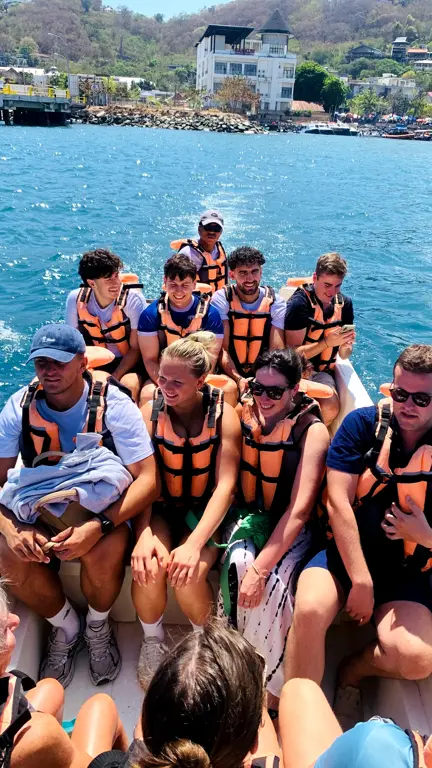
On the safety basics, a decent boat gives you a life jacket for every snorkel stop and a guide who briefs the group before you get in the water, including which spots have current and where to stay. The crew watches the weather and the captain decides whether a crossing is safe, which is exactly why you want an operator that will reschedule rather than push through a bad forecast. If you cannot swim well, say so at the start. The guide keeps a closer eye on you and you stick to the calm, shallow spots.
The part worth taking seriously is who you book with. The single most common complaint in Komodo is not about the islands. It is about operators: a guide who stops replying after you pay, a "luxury" boat in the photos that turns out to be a different, older boat on the day, or stops dropped from the itinerary to save fuel. That is the real safety question, and it is one you control by choosing carefully.
What actually goes wrong and why
A few patterns come up again and again:
- Ghosting after payment. You transfer money to a personal account, then messages slow down or stop. By departure day there is no boat and no answer.
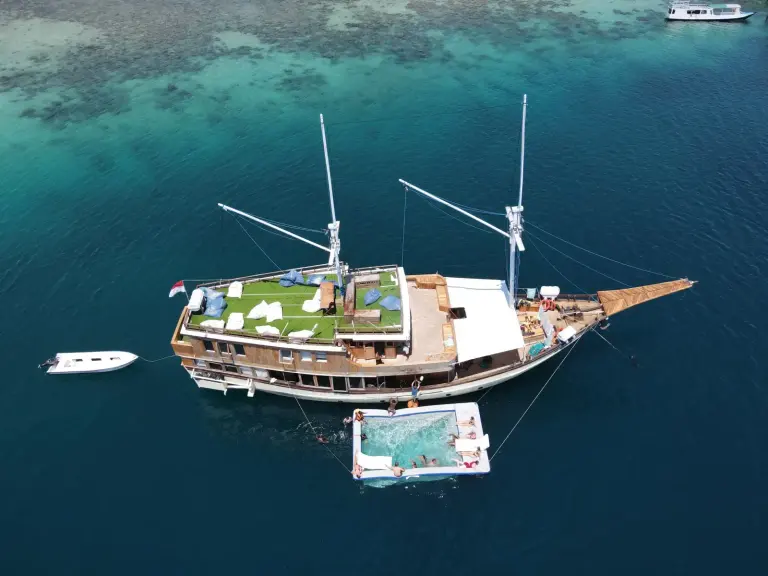
- The boat is not the boat in the photos. You booked off a glossy image but show up to something smaller and worn. Open trip seats get resold across several operators, so the listing and the actual boat can drift apart.
- A reseller, not the operator. Someone sells you a seat on a trip they do not actually run, takes a cut, and has no control if anything goes wrong.
- Too-cheap bait. A price far below everyone else is rarely a real deal. It is usually a hook to get your money, with hidden costs or a downgraded boat later.
None of this means Komodo is dangerous. It means the booking step is where you protect yourself.
How to avoid getting ghosted or scammed
You can screen out almost all of this in a few minutes:
- Do not transfer the full amount to a personal account before anything is confirmed. Pay through a proper payment system, or a method that protects you, not a stranger's bank number.
- Get the details in writing first. The exact boat, the date, the full itinerary, the price, and what is and is not included. A real operator sends this without hesitation. Vague answers are a red flag.
- Check that the operator is reachable and responsive. A business that replies clearly on WhatsApp before you pay will still be there after you pay. Slow, evasive replies before booking only get worse later.
- Read real reviews, not the testimonials printed on a poster. Look for recent, specific reviews that mention the boat and the guide by name.
- Be suspicious of a price far under the market. Compare it with the current 3D2N open trip prices first. Something far below the market price is usually bait, not a bargain.
- Check the operator is a real business, not just a social-media account. A registered operator has a consistent name, a contact you can actually call, and ideally a physical office in Labuan Bajo. The account that only appears to take bookings and then vanishes between seasons is the one to avoid.
How OpenTripKomodo handles this
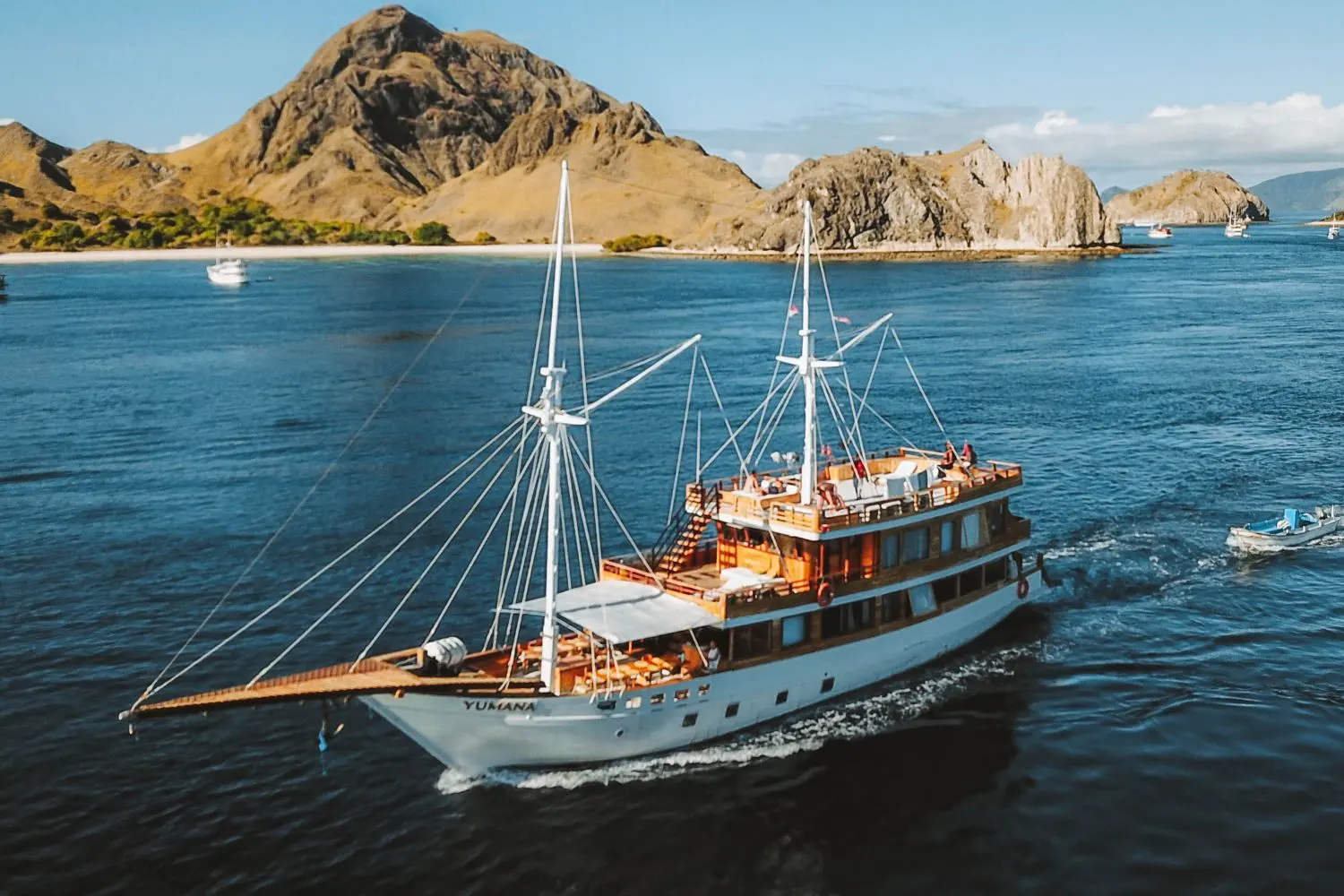
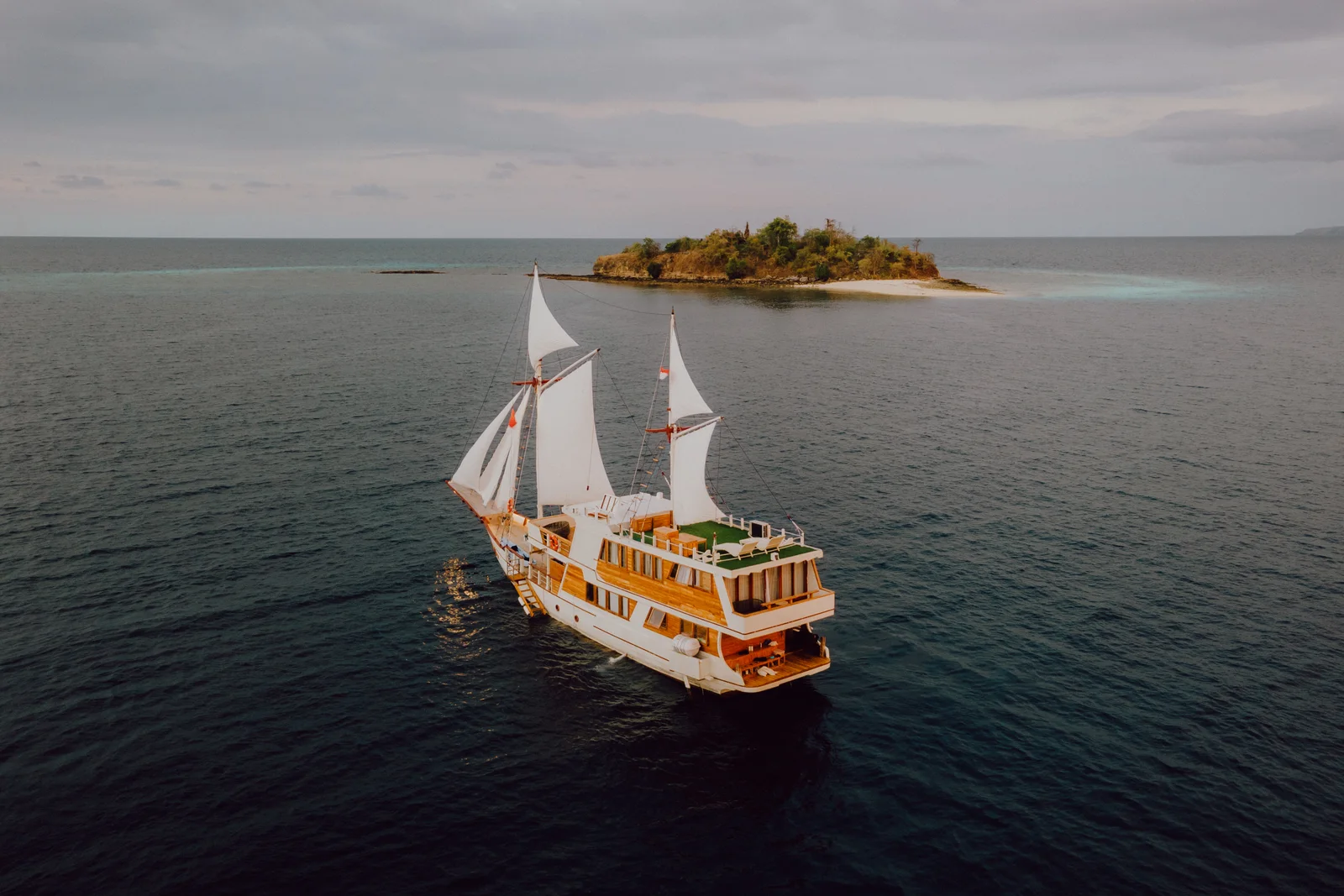
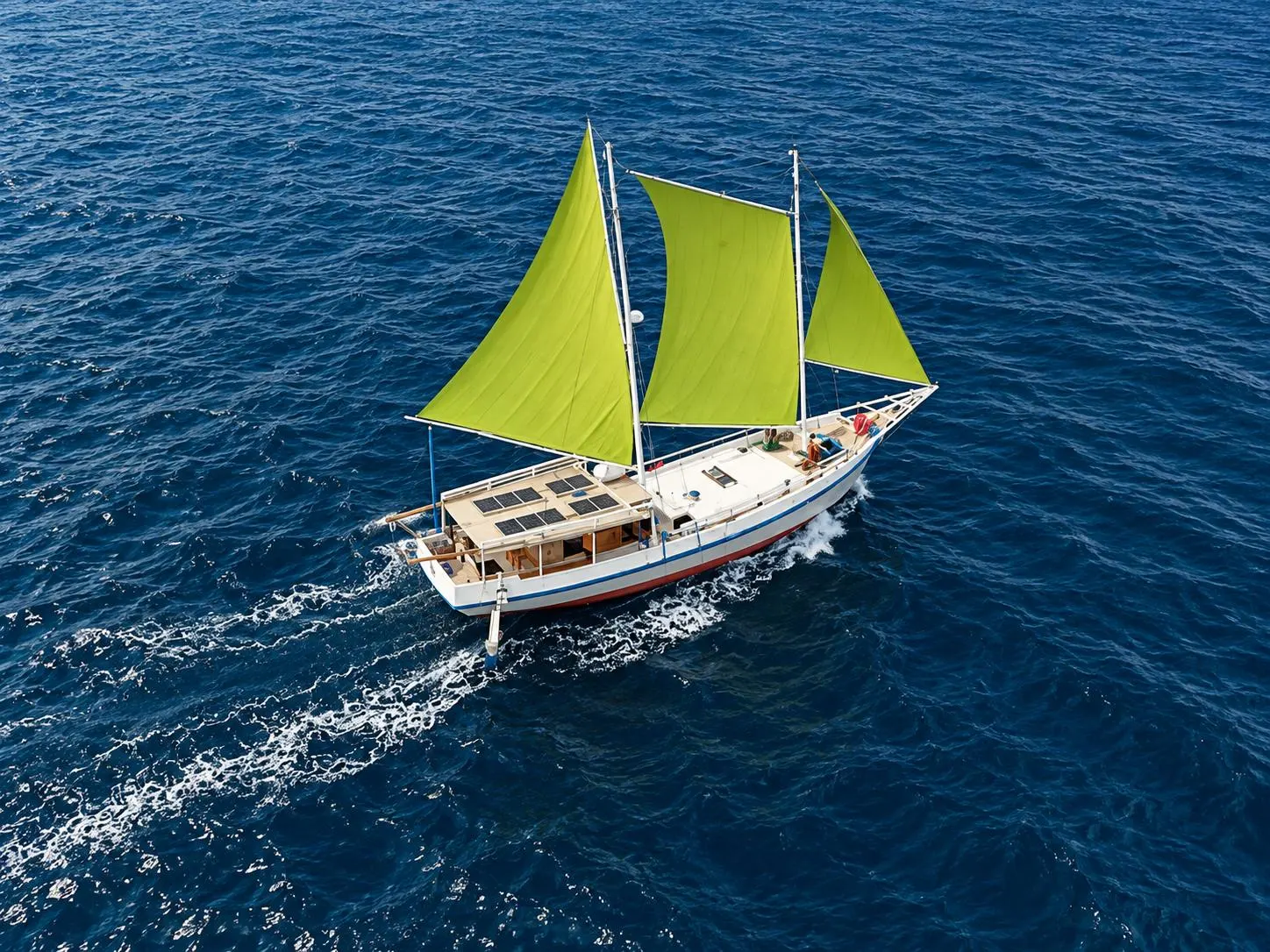
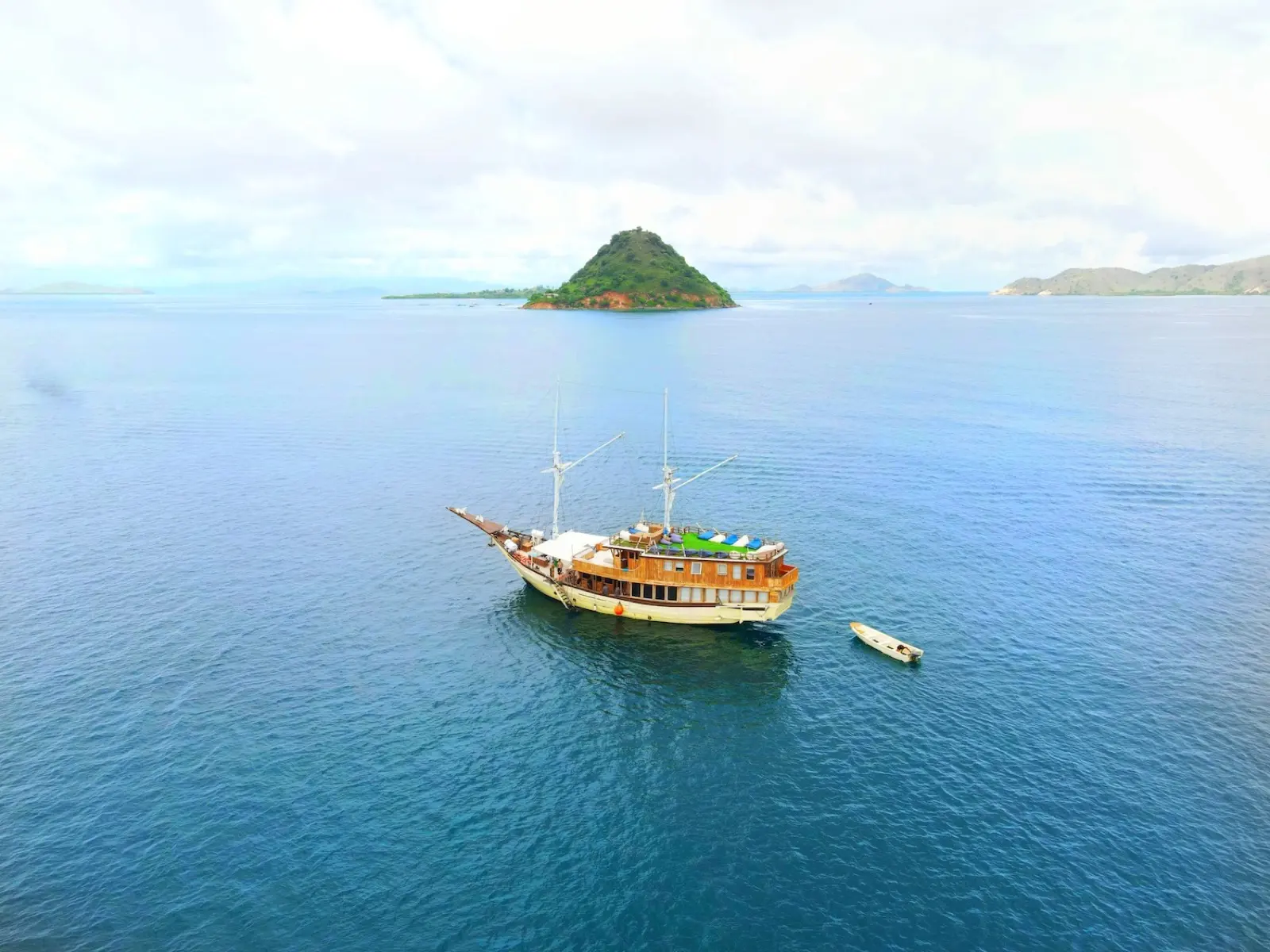
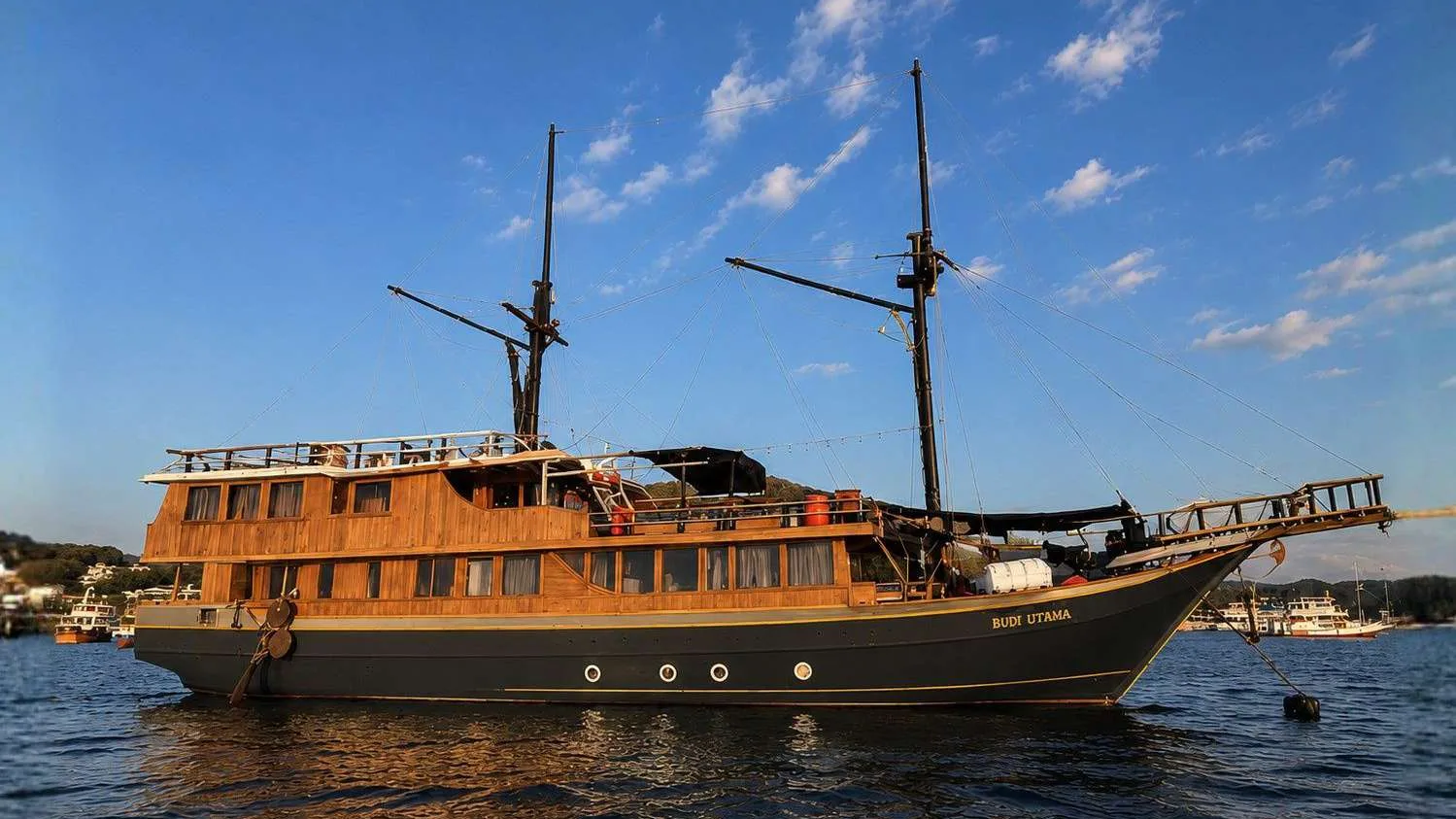
Open Trip Komodo is built around removing exactly these doubts, and a lot of it comes down to one thing: there is a real local team in Labuan Bajo you can actually meet, not an anonymous account behind a website. Every boat on opentripkomodo.net has its own trip page with its real photos, the route, and the live price, so what you see is what you sail. The operators are vetted by the team, and your guide is dedicated to the boat and will not be swapped (English and Indonesian by default, Mandarin on request). Before anything is locked you get a written quote and confirmation, you can ask anything over WhatsApp, and payment goes through a payment gateway or the company account, never a personal one. And if a trip is ever called off by an official sailing ban or extreme weather, that counts as force majeure: you get a full refund or a reschedule, not lost money.
If you are weighing safety, the honest move is to compare the actual boats and ask questions before you decide. Start here:
Is an open trip safe for solo or first-time travellers?
Yes. Open trips are shared by design, so you are with a small group, a crew, and a guide the whole time. Many travellers join solo. The same booking checks above apply, and once you are onboard the trip runs the same for everyone. If you are a solo female traveller, the shared format actually helps: you are in a group with a named crew throughout, and on a well-reviewed boat you will usually find other solo travellers onboard too.
When and how do I pay?
With Open Trip Komodo, a shared open trip is paid in full when you confirm, and your seat is locked straight away, as set out in our terms and conditions. Pay through a payment gateway or the company account, never a personal one, and only once the trip is confirmed in writing. A real operator will not rush you to transfer on the spot.
What if the trip gets cancelled by a sailing ban or weather?
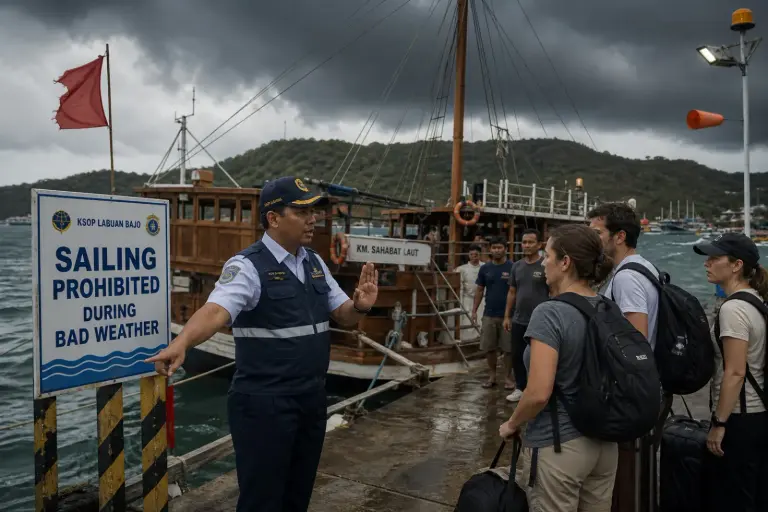
It happens. When the weather turns, the harbour authority (KSOP) in Labuan Bajo can issue a sailing ban (larangan berlayar) and hold all departures for safety. A fair operator treats that as force majeure: with Open Trip Komodo it means a full refund or a reschedule, never lost money. What you want to avoid is an operator that pushes a boat out in bad conditions anyway.